
In the ever-evolving landscape of music equipment, making the right choice can be daunting for both budding musicians and seasoned professionals. With the rise of e-commerce platforms like sonicairhub.com, the accessibility of high-quality gear has never been better. This article delves into the nuances of selecting the right music equipment by comparing popular brands, backed by recent market statistics and consumer purchasing behavior.
The global musical instruments market was valued at approximately $7.5 billion in 2021 and is projected to reach $9.2 billion by 2025, growing at a CAGR of 5.5%. This growth is indicative of a thriving interest in music creation and performance, particularly among younger demographics. As more individuals turn to music as a hobby or career, understanding the various options available becomes crucial.
When it comes to music equipment, brands like Yamaha, Fender, and Roland dominate the market, each offering unique features that cater to different needs. Yamaha, known for its versatility, provides a range of products from keyboards to audio interfaces. Their P-125 digital piano, for instance, has received accolades for its realistic sound and portability, making it a favorite among both beginners and professionals.
Fender, on the other hand, is synonymous with electric guitars. The iconic Fender Stratocaster has been a staple in the music industry for decades. Recent data shows that electric guitar sales surged by 20% in the last two years, reflecting a renewed interest in rock and blues genres. This trend suggests that musicians are increasingly leaning towards classic instruments that offer both nostalgia and quality.
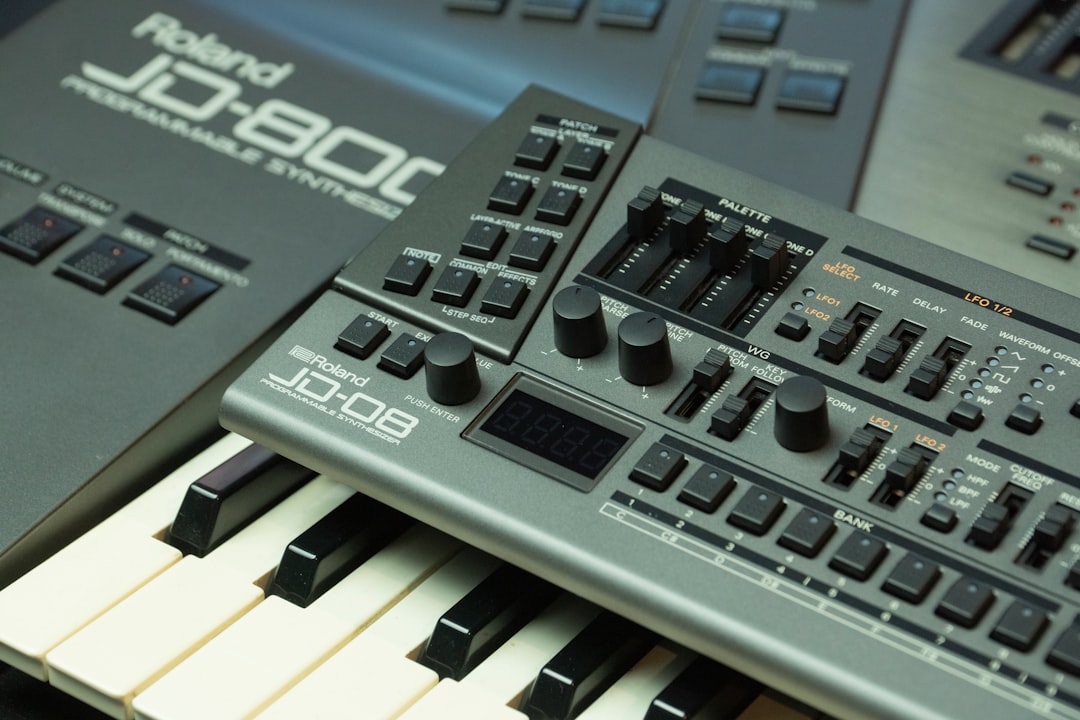
Roland, renowned for its innovative electronic instruments, has carved a niche in the market with products like the TR-8S drum machine. This device has become a go-to for electronic music producers, thanks to its ability to blend classic sounds with modern technology. The rise of electronic music has contributed to a 15% increase in sales for electronic instruments, highlighting a shift in consumer preferences.
Key Insight: The growing demand for both traditional and electronic instruments indicates that musicians are seeking versatility in their gear, which can influence purchasing decisions significantly.
When considering which brand to choose, it’s essential to assess your specific needs. For instance, if you’re a live performer, portability and durability might be your top priorities. Yamaha’s lightweight keyboards and portable PA systems are designed with this in mind. Conversely, studio musicians may prioritize sound quality and versatility, making brands like Roland more appealing.
Another factor to consider is the price point. The average price of a mid-range electric guitar is around $600, while high-end models can exceed $2,000. Understanding your budget is crucial, especially when platforms like sonicairhub.com often provide competitive pricing and exclusive deals. In fact, recent surveys indicate that 70% of consumers are more likely to purchase from an online retailer that offers transparent pricing and detailed product information.
Moreover, customer reviews play a significant role in the decision-making process. A recent study found that 85% of consumers trust online reviews as much as personal recommendations. This statistic underscores the importance of platforms like sonicairhub.com, where users can access a wealth of information and feedback from fellow musicians.
In conclusion, the choice of music equipment ultimately boils down to personal preference, intended use, and budget. By comparing popular brands like Yamaha, Fender, and Roland, musicians can make informed decisions that enhance their creative endeavors. As the market continues to grow, platforms like sonicairhub.com will remain pivotal in connecting musicians with the right tools to express their artistry.