
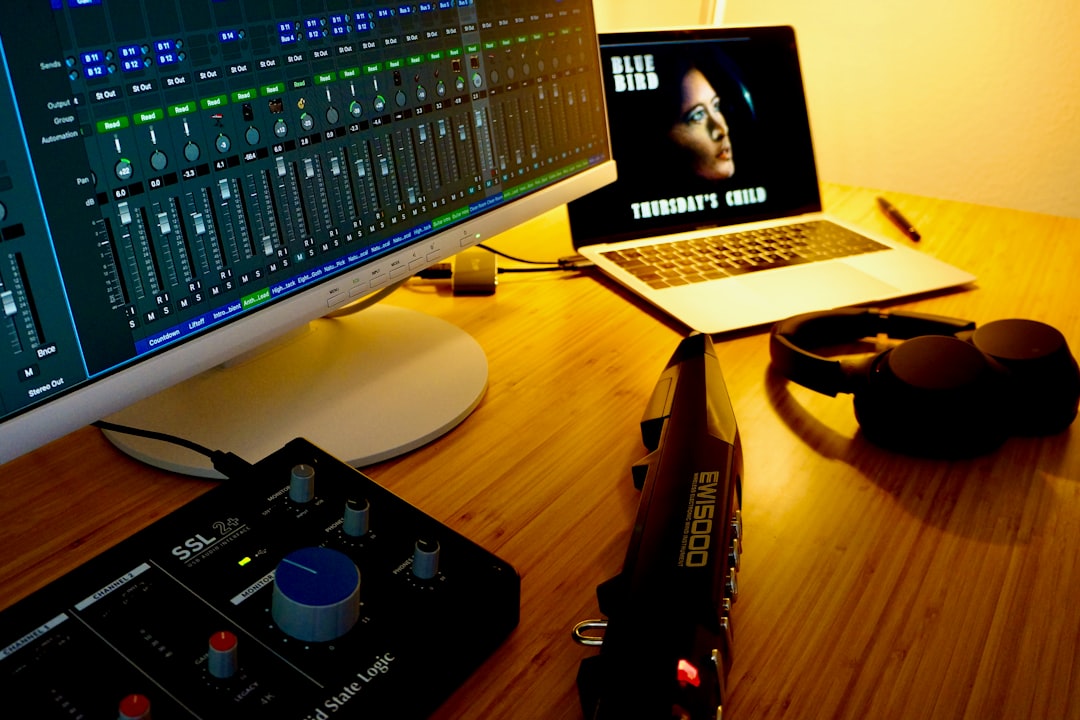
Creating a home studio is an exciting venture for any music enthusiast, whether you’re a budding artist, a seasoned producer, or a passionate hobbyist. The right gear can make all the difference in achieving the sound quality and creative output you desire. With so many options available, it can be overwhelming to decide what to invest in. This guide will help you navigate the essential components of a home studio and make informed choices that suit your needs and budget.
First, consider the purpose of your home studio. Are you primarily recording vocals, instruments, or producing electronic music? Understanding your primary focus will help you prioritize your equipment purchases. For instance, if you plan to record live instruments, you may need a different setup than if you’re focusing on digital production.
Next, let’s break down the essential components of a home studio:
1. **Audio Interface**: This is the heart of your studio. An audio interface converts analog signals from your instruments and microphones into digital signals that your computer can process. Look for an interface with good preamps, low latency, and enough inputs and outputs for your needs. Brands like Focusrite and PreSonus offer reliable options for various budgets.
2. **Microphones**: The type of microphone you choose will depend on what you’re recording. For vocals, a large-diaphragm condenser microphone is often preferred for its sensitivity and warmth. For instruments, dynamic microphones can handle high sound pressure levels without distortion. Consider investing in a versatile microphone that can serve multiple purposes.
3. **Monitors and Headphones**: Accurate sound reproduction is crucial for mixing and mastering. Studio monitors provide a flat frequency response, allowing you to hear your mix as it truly is. Brands like KRK and Yamaha are popular among home studio owners. Additionally, a good pair of closed-back headphones is essential for tracking and mixing without disturbing others.
4. **Digital Audio Workstation (DAW)**: Your DAW is the software where you’ll record, edit, and mix your music. There are many options available, from beginner-friendly programs like GarageBand to professional-grade software like Ableton Live or Pro Tools. Choose one that fits your workflow and offers the features you need.
5. **MIDI Controller**: If you’re producing electronic music or working with virtual instruments, a MIDI controller can be a game-changer. It allows you to play and program music easily. Look for a controller with velocity-sensitive keys and assignable knobs and pads for added flexibility.
6. **Acoustic Treatment**: To achieve the best sound quality, consider the acoustics of your recording space. Adding acoustic panels, bass traps, and diffusers can help minimize unwanted reflections and improve the overall sound. This step is often overlooked but can significantly enhance your recordings.
7. **Cables and Stands**: Don’t forget the essentials! Quality cables ensure a clean signal path, while sturdy stands for your microphones and monitors will provide stability and ease of use.
Once you have a clear understanding of the essential gear, it’s time to create a budget. Determine how much you’re willing to spend on each component and prioritize your purchases based on your immediate needs. It’s often wise to invest in quality over quantity; a few high-quality pieces of equipment can outperform a collection of lower-quality items.
Finally, remember that building a home studio is an ongoing process. As you grow and evolve as a musician, your needs may change. Stay open to upgrading your gear and experimenting with new tools that inspire your creativity.
**Step-by-step plan:**
Step 1: Define the primary purpose of your home studio.
Step 2: Research and select essential equipment based on your needs.
Step 3: Create a budget and prioritize your purchases.
Step 4: Continuously evaluate and upgrade your gear as you progress.